
How to Photograph Kids Who Won’t Sit Still (Family Photography Tips That Actually Work)
You booked your outdoor family photography session with new clients who seem awesome! A nice family with young boys. It’s thirty seconds into the shoot, and the nightmare scenario unfolds. Neither wants to stand still for a single family photo. They're running around like psychotics. You feel the stress coming off the parents; they booked this expensive photo shoot and cleared their schedules for this disaster. You feel like you’re the problem, you feel like you’re doing a bad job, and you will never get booked again.
Has this happened to you?
It’s happened to me countless times. It still happens now, even though I know how to handle it.
If you’ve ever struggled with how to photograph kids who won’t sit still, you’re not alone.
But there’s good news.
It’s not the kids.
It’s how we’ve been taught to photograph them.
How do you photograph kids who won’t sit still?
Stop trying to make them sit still. The best family photos come from movement, play, and interaction, not forced posing. When you work with kids’ natural energy instead of against it, you get real, emotional images.
The Real Problem
Most people approach family photos like this:
“Stand here, next to mommy and daddy.”
“Smile.”
“Don’t move.”
Yeah, right. No way! Not happening, ever.
Kids are energy machines.
They’re curious, energetic, playful, and honestly, that’s exactly what makes family photos so personal and memorable.
The problem isn’t that kids won’t sit still.
The problem is expecting them to.
What Actually Works (And Changes Everything)
1. Use Movement Instead of Posing
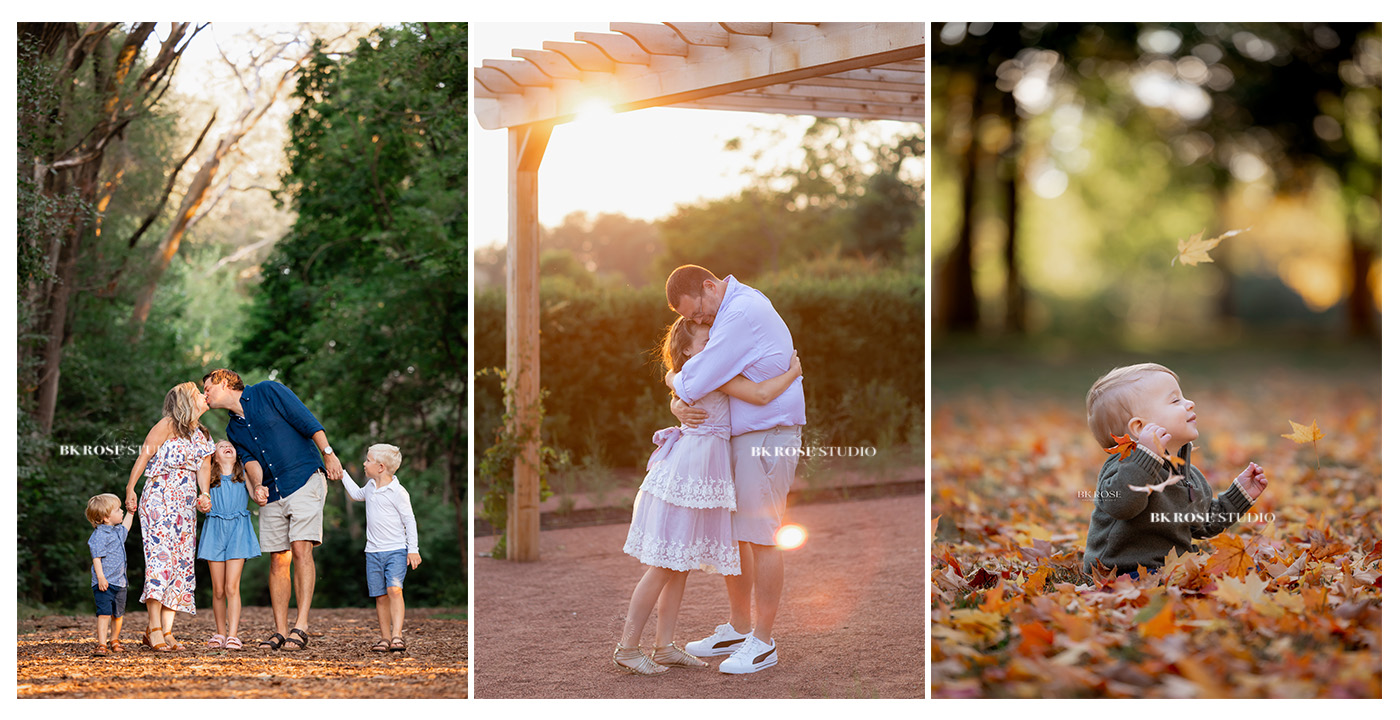
Movement creates natural expressions instantly.
Instead of forcing stillness, try:
- Walking together
- Spinning
- Running toward you
When kids are moving, they stop overthinking and start being themselves. Parents relax too, which completely changes the energy of the session.
2. Turn It Into a Game
Kids respond to play, not pressure.
Try:
- “Race to me!”
- “Whisper a secret!”
- “Who can make Mom laugh?”
Now you’re not taking photos.
You’re creating moments.
3. Capture Moments, Not Perfection
The photos families love most aren’t perfect.
They’re:
- Laughing
- Messy
- Real
Those are the ones that end up on walls, and phone backgrounds, those are the photos that get passed down for decades to come.
4. Keep It Short and Flexible
Kids don’t have long attention spans. It's okay.
Work in bursts. Follow their energy. Let go of expectations.
The more flexible you are, the better your photos will be.
5. When everything you've tried fails... bribe them
I always have a bag of white chocolate morsels in my kit. No brown chocolate teeth! With parents' permission, a little candy bribe can go a long way.
The Shift That Changes Everything
When you stop trying to make kids behave, and start letting them be themselves...
That’s when you start capturing amazing photos of them.
FAQ
What if kids refuse to participate in photos?
Start with movement and play instead of posing. Resistance usually disappears when pressure is removed.
How do you get natural family photos?
Focus on interaction, not perfection. Prompt connection instead of directing poses.
What’s the best age for family photos?
Every age works, but toddlers (1–3) require a more flexible, movement-based approach.
How long should family sessions be with kids?
Shorter sessions (20–45 minutes) tend to work best for young children.
Want something you can actually pull up mid-session?
I put together a free cheat sheet with my go-to prompts for photographing kids - save it to your phone and use it in real time. Grab it at the bottom of this page!
If you’re tired of guessing your way through sessions and hoping kids cooperate...
I teach a simple, repeatable way to create natural, beautiful family photos, without the stress.
Inside my Outdoor Family Photography Course, I walk you through exactly how to:
- Work with kids instead of against them
- Create real, joyful moments
- Consistently deliver images families love
Check it out here:
https://www.bkroseedu.com/outdoorfamily
The goal isn’t perfect photos.
It’s real moments families actually want to remember.